

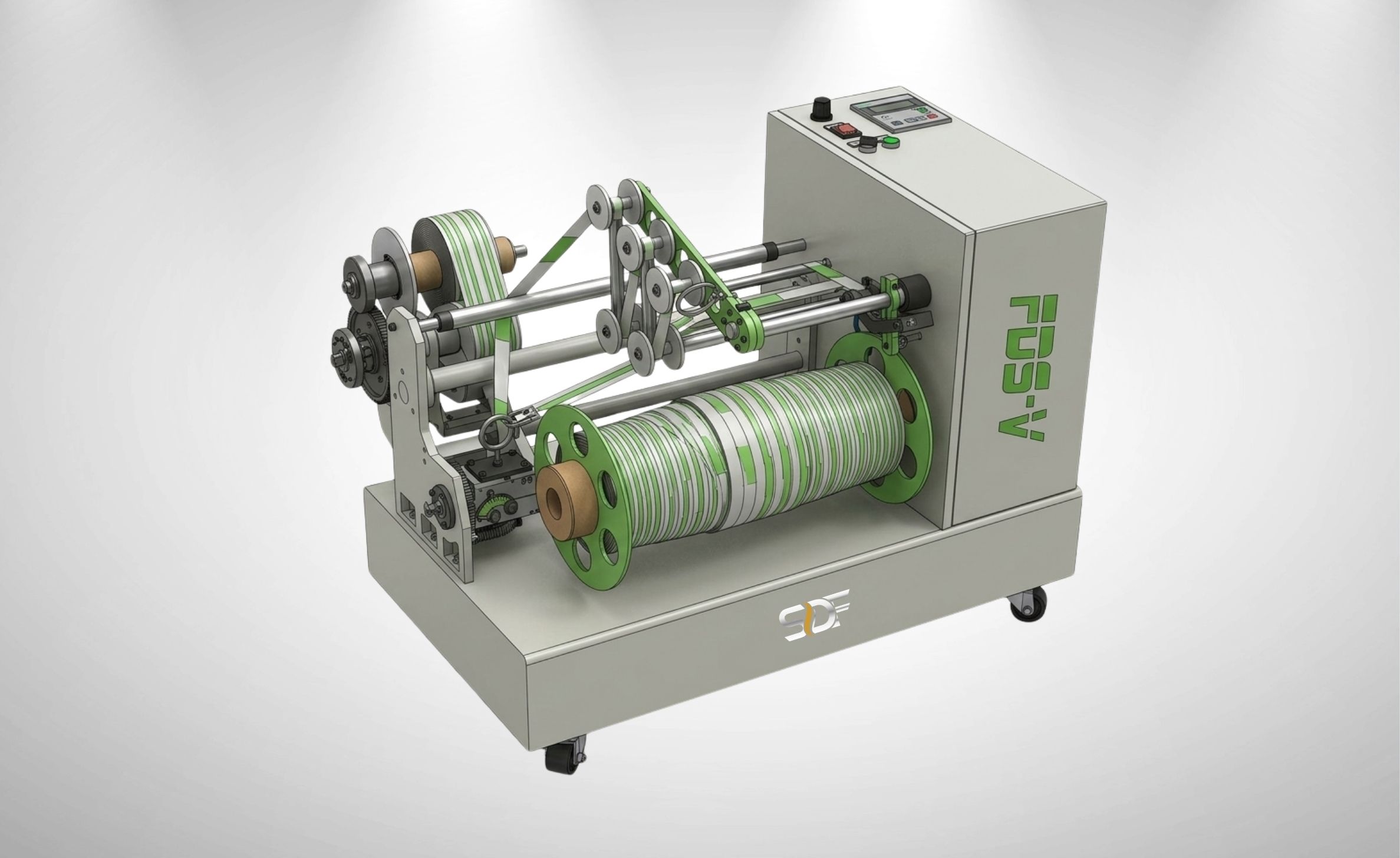
The packaging industry keeps on changing according to the increased demand for a stronger, safer, and more attractive package. Contemporary packaging should ensure that products are not exposed to moisture, air, or other damage, and also should be appealing to the buyers. Here, Lamination Machines are very essential. These machines assist manufacturers in incorporating numerous layers of materials to produce strong and useful packaging solutions that are fit in next generation production requirements.
What are Lamination Machines?
Lamination Machines are industrial machines that are used to fuse two or more layers of materials with adhesives, heat, or pressure. Laminated materials like plastic films, paper, foil, and fabric can be made to form stronger and more protective forms. The lamination process enhances product durability, increases appearance, and provides resistance against environmental factors.
Lamination machines are vital in the production of multilayer packaging materials in the current packaging production environment, that require the quality standard needed by the global markets.
Lamination in Packaging in the Modern World
The new generation of packaging solutions is in need of lightweight and highly protective materials. Lamination Machines are used to ensure that this is realised by mixing various materials, each having a certain property. An example is that one layer can offer strength, another protection against barriers, and another printability to the brand.
The layered structure enables the packaging manufacturers to come up with flexible packaging with ease, packaging films used in food packaging, pharmaceutical packaging, as well as other sophisticated packaging materials with enhanced performance.
Lamination Machines Working Process
Lamination Machines usually function under the following steps:
Material Feeding: The material, such as film, foil, or paper, is fed into the machine as the base material.
Application of Adhesive: On either of the materials, a thin film of adhesive is applied.
Bonding: The materials are rolled through rollers where they are heat and pressure-bonded.
Drying: Drying processes are used to evaporate the solvents or moisture from the adhesive material.
Rewinding: The laminate material is formed into rolls to undergo further treatment.
This gives high levels of bonding and uniform lamination throughout the roll.
Lamination Machines: types
The Lamination Machines are of various types depending on the needs of the packaging:
Dry Lamination Machines: These are usually applied in flexible packaging, where the drying process involves the use of hot air to dry the adhesives.
Solventless Lamination Machines: Environmentally friendly machines that consume less solvent and less energy.
Wet Lamination Machines: These are usually applied in the lamination of paper.
Thermal Lamination Machines: Heat-bond materials that do not have liquid adhesives.
Both types are used to meet a certain number of industries and production volumes.
Industrial Applications
Lamination Machines are very common in various industries because they are universal. They develop multilayer films that shield food against moisture and oxygen in the food packaging industry. Laminated foil packages in pharmaceuticals can be used to ensure the safety and hygiene of products. Lamination is also used in the packaging of consumer goods in order to achieve greater strength and an appealing design.
Lamination technology is also applied in other industries like electronics, textiles, and insulation materials to enhance the performance of the material.
Profits of Lamination Machines
One can extract several advantages of using advanced Lamination Machines on behalf of the manufacturers:
Better packaging durability and strength.
Improved barrierdefense against water and air.
Improved print quality and appearance.
Reduced material wastage
Large-scale manufacturing: high-speed production.
The benefits assist firms in manufacturing quality packaging at low costs.
Next-Generation Packaging Role
Due to the increasing demand for innovative packaging by consumers, manufacturers need to implement new high-technology solutions. Lamination Machines will assist in the next generation of packaging through the ability to make multi-layered material combinations to enhance shelf life, product protection, and sustainability. Other new designs of machines are based on automation, precision, and energy saving.
Operation and Maintenance of Furniture
The contemporary lamination machines are built to be used in a non-stop mode in the industries. The performance of machines can be maintained with the help of regular maintenance, such as cleaning rollers and monitoring adhesive systems. Maintenance will guarantee consistency in bonding quality and decrease production downtime.
We say that
Next-Gen Packaging Production Lamination Machines are needed in the industries that need to use advanced and reliable packaging materials during production. Lamination Machines enhance the product protection quality, durability, and appearance by piling several layers of materials. Since the technology of packaging is still changing, lamination machines will still form part of contemporary production processes as they enable companies to provide innovative packaging solutions and compete in the global market.